
Resources
Application engineering, customization strategy, and integration guidance for industrial OEM products and assemblies.
Use this category to review practical procurement and engineering patterns. Each article is written to reduce ambiguity in RFQ, validation, and production release decisions.
Instead of generic theory, these posts focus on what buyers can send, measure, and approve in supplier communication.
In practical sourcing programs, this category is most useful when its article checklists are copied into internal review templates and then reused in supplier calls, sample sign-off notes, and PO release approvals.
These articles are sorted by publish date and are intended to be used as reusable inputs for your engineering and procurement handoffs.
| Article | Primary Use | Next Step |
|---|---|---|
| How to Prevent Premature Fatigue Failure in Roller Screw Actuators: An Engineering Guide | Buyer-side decision and supplier communication alignment. | Convert checklist items into your RFQ or sample plan. |
| Planetary vs. Inverted Roller Screws: Engineering Differences and Selection Guide | Buyer-side decision and supplier communication alignment. | Convert checklist items into your RFQ or sample plan. |
| Replacing Hydraulic Cylinders with Electromechanical Actuators: A Complete Engineering Guide | Buyer-side decision and supplier communication alignment. | Convert checklist items into your RFQ or sample plan. |
| Planetary Roller Screw Actuators in Servo Press Applications: Sizing and Selection | Buyer-side decision and supplier communication alignment. | Convert checklist items into your RFQ or sample plan. |
| Roller Screw vs. Ball Screw: Which Linear Actuator is Right for Your Application? | Buyer-side decision and supplier communication alignment. | Convert checklist items into your RFQ or sample plan. |
Need project-specific guidance? Start from Contact / RFQ and include the article links your team is referencing.
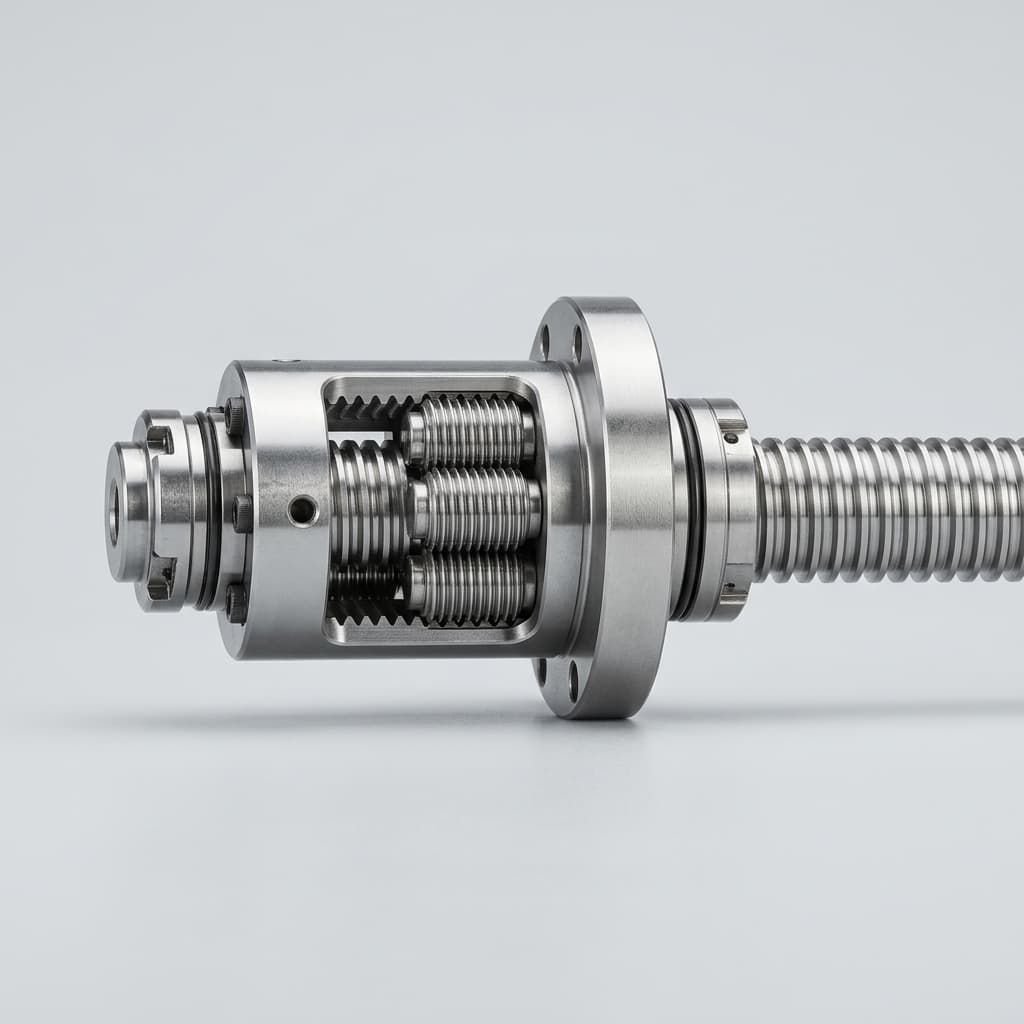
Learn why roller screw actuators fail prematurely, how spalling, brinelling, galling, misalignment, and lubrication gaps occur, and how to prevent them.

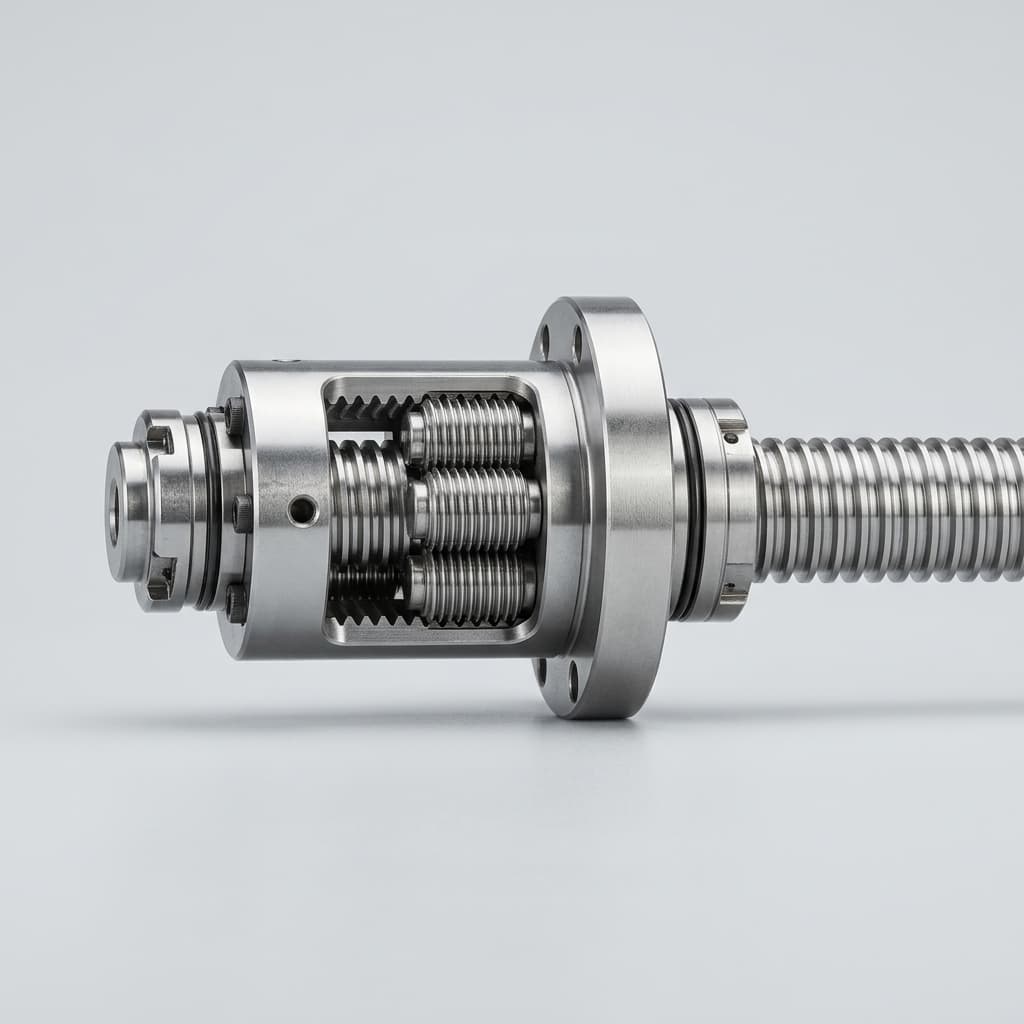
Compare planetary vs inverted roller screws for actuator footprint, load life, sealing, thermal limits, and RFQ inputs. Use the checklist before sourcing.
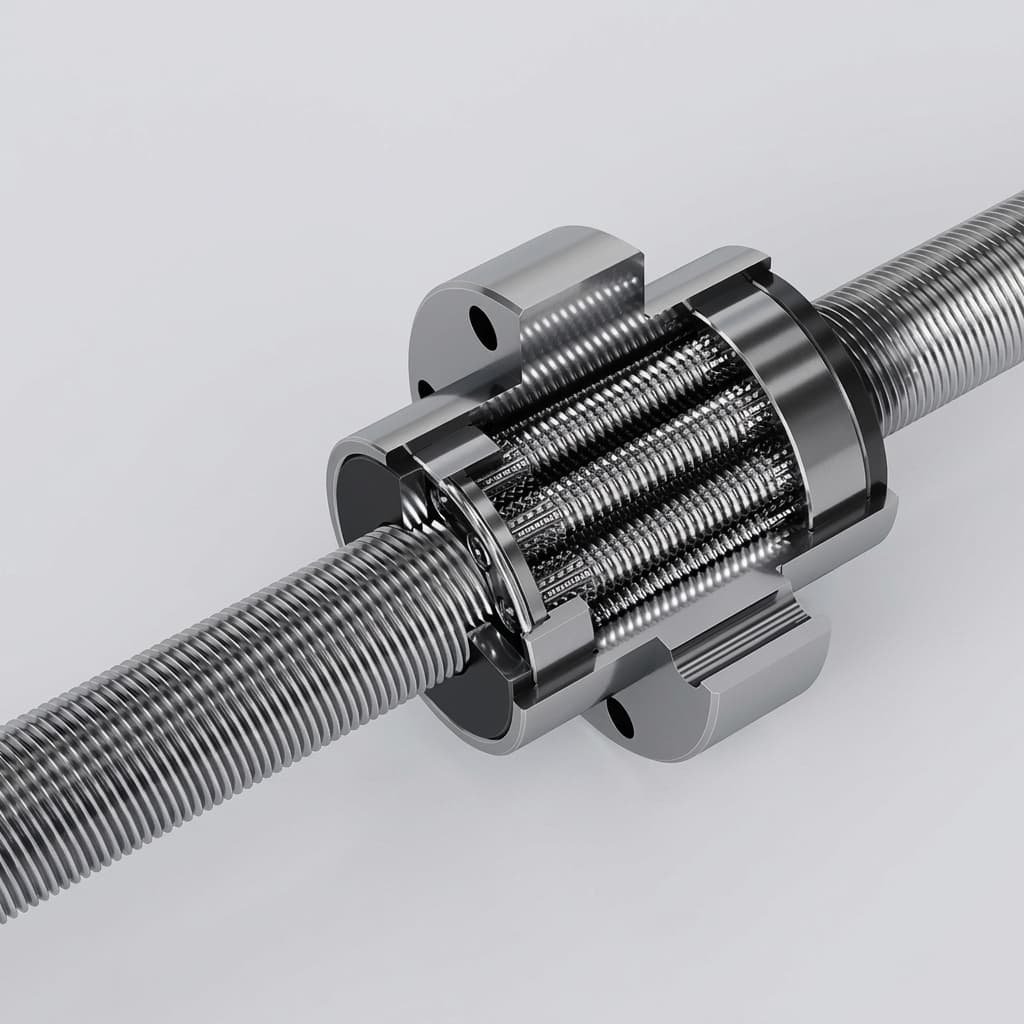
Discover why industrial OEMs are shifting from fluid power to electromechanical actuators. We analyze the technical benefits, ROI, and how to successfully size a roller screw actuator for hydraulic replacement.
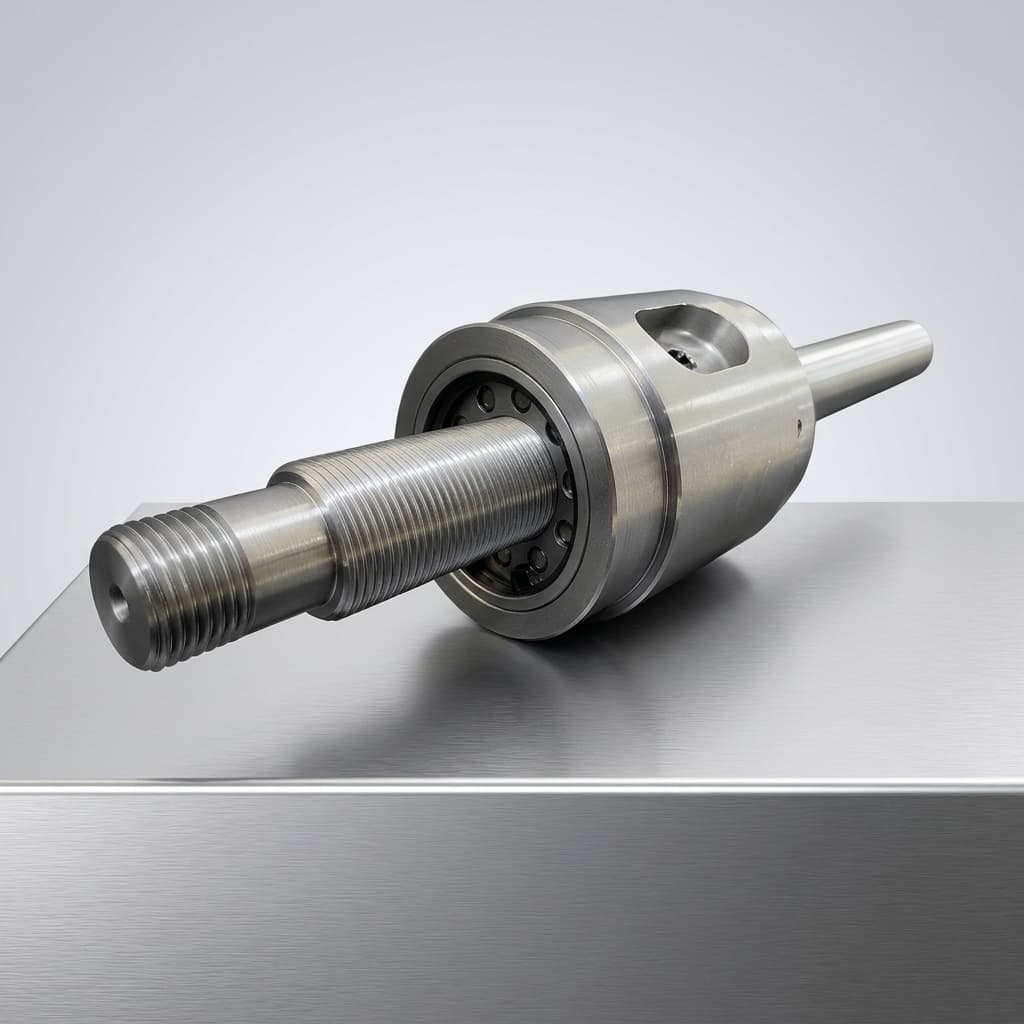
Learn why planetary roller screw actuators are commonly specified for servo press machines. We cover force distribution, shock tolerance, and key sizing parameters for precision joining and forming.
A comprehensive engineering comparison of roller screws and ball screws, focusing on load capacity, lifespan, speed, and typical use cases in industrial automation.