
How to Audit and Select a Planetary Roller Screw Manufacturer: A 2026 Procurement Guide
Audit planetary roller screw manufacturers in 2026: verify load ratings, grinding control, testing proof, lead-time risk, TCO, and RFQ package readiness.
Procuring high-capacity linear motion components for industrial automation is no longer just about comparing data sheets. As industries like EV battery manufacturing, aerospace, and heavy-duty injection molding push the limits of cycle times and force density, the planetary roller screw has emerged as the premier technology to replace traditional hydraulic cylinders and overtaxed ball screws.
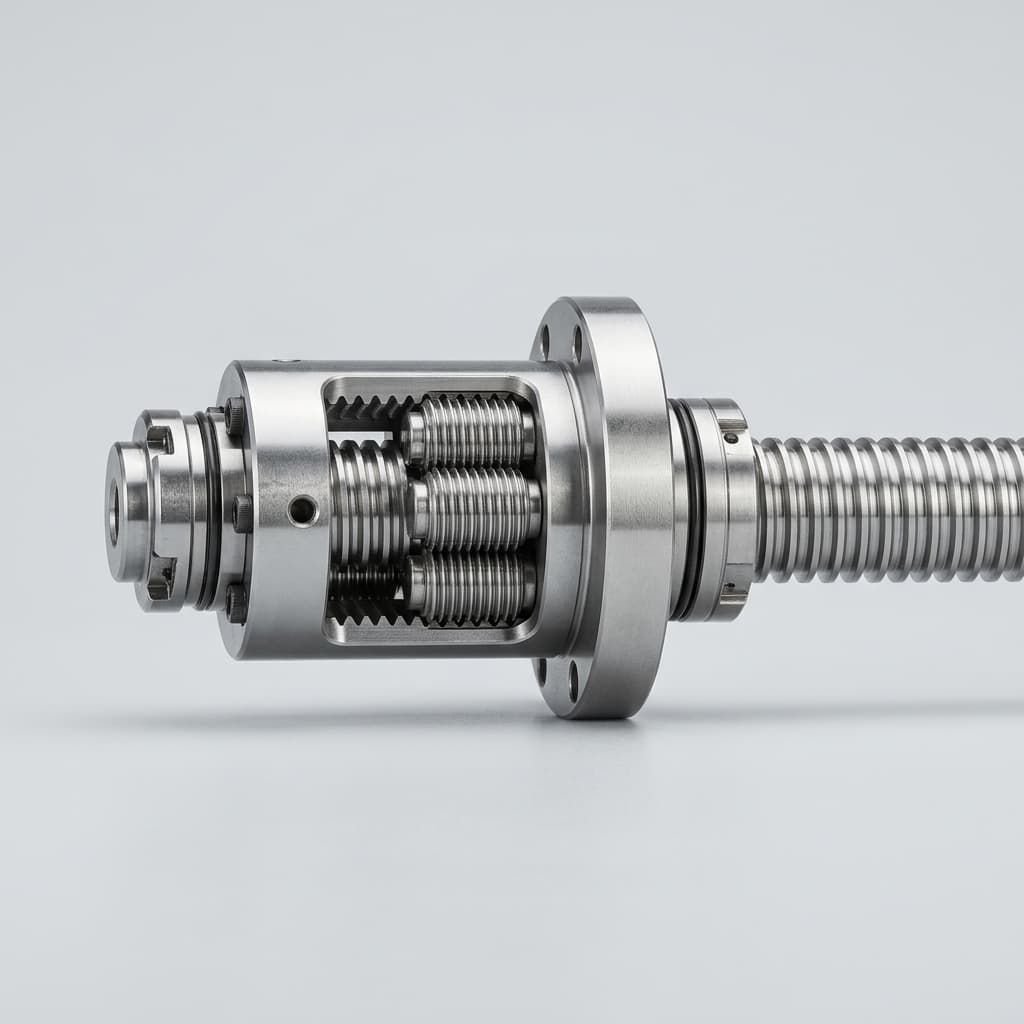
However, sourcing a planetary roller screw actuator introduces a unique set of procurement challenges. Because these components rely on multiple threaded rollers synchronized around a central shaft—demanding extreme precision in thread grinding and heat treatment—the barrier to entry for manufacturers is exceptionally high. Choosing the wrong supplier can lead to catastrophic machine failure, unacceptable lead times, and massive unplanned downtime.
This 2026 guide provides procurement teams, supply chain managers, and lead engineers with a comprehensive framework for auditing and selecting a planetary roller screw manufacturer. We will bridge the gap between engineering specifications and commercial realities, ensuring your next supplier can deliver reliability at scale.
Scope for this guide: Global OEM procurement and engineering teams sourcing high-force planetary roller screw assemblies in 2026. It focuses on supplier audit evidence, RFQ readiness, and TCO trade-offs; final life calculations, brake sizing, safety factors, and regional compliance still need validation against your actual machine duty cycle and applicable standards.
If you are preparing an RFQ now, start by sending your duty-cycle data through our engineering sizing checklist; it gives suppliers the inputs they need to defend load ratings, lead times, and test protocols.
1. The Stakes: Why Roller Screw Sourcing is High-Risk
Unlike standard commercial ball screws, which can be mass-produced quickly and cheaply using cold thread rolling processes, high-performance planetary roller screws must be meticulously crafted. The screw shaft, the nut, and the individual planetary rollers must all be precision-ground and perfectly matched.
If a supplier cuts corners during manufacturing, the consequences are severe:
- Premature Fatigue: Poorly ground threads lead to uneven load distribution among the rollers. Instead of the intended line contact, you get localized stress points that cause spalling and early fatigue failure.
- Kinematic Binding: If the timing gears at the ends of the rollers are not perfectly synchronized with the thread pitch, the rollers will skid and bind, causing rapid heat generation and catastrophic seizure.
- Supply Chain Bottlenecks: Because global grinding capacity is limited, suppliers who outsource their critical machining steps often suffer from unpredictable lead times, extending up to 20-30 weeks during peak demand periods.
For a procurement professional, understanding these engineering realities is the first step toward conducting a rigorous supplier audit. You are not just buying a piece of steel; you are buying the supplier's quality control ecosystem.
2. Core Technical Criteria: The Engineering Audit
When auditing a potential manufacturer, your engineering team must work closely with procurement to validate the supplier's technical claims. A flashy brochure is insufficient when evaluating components designed for millions of heavy-duty cycles.
Dynamic Load Rating (DLR) Validation
The single most important specification on a roller screw data sheet is the Dynamic Load Rating (C). This value dictates the expected $L_10$ fatigue life of the actuator.
The standard life equation is:
L₁₀ = ( C / Pm )³ × 10⁶ revolutions
Because the ratio of Dynamic Load Capacity (C) to the equivalent dynamic load (Pm) is cubed, even a small discrepancy in the manufacturer's stated capacity can drastically alter the actual lifespan. A supplier claiming a 20% higher load capacity than competitors for the same screw diameter should be heavily scrutinized. Audit Action: Ask the supplier to provide the theoretical basis and empirical test data used to establish their dynamic load ratings. Do they follow ISO standards, or are their numbers inflated by proprietary, non-standardized math?
In-House Precision Grinding Capabilities
The heart of a planetary roller screw is the thread grinding process. Audit Action: Verify that the manufacturer performs thread grinding in-house using state-of-the-art CNC grinding centers. If a supplier outsources this critical step, they surrender control over both quality and lead time.
Supplier audit teams should verify which quality-control steps are performed in-house before accepting lead-time or load-rating claims.
Heat Treatment and Material Selection
The extreme Hertzian contact stresses experienced by planetary rollers require specialized steel alloys and precise heat treatment processes. Audit Action: The manufacturer should be able to provide material certifications and detailed documentation of their case hardening or through-hardening processes. Insufficient hardness will lead to rapid brinelling under heavy shock loads.
3. Supplier Evaluation Matrix: Assessing Commercial and Technical Risks
When narrowing down a shortlist of vendors, use a structured evaluation matrix. A comprehensive evaluation must balance technical capability with commercial stability.
| Evaluation Dimension | High-Risk Supplier (Red Flags) | Validated Tier-1 Supplier (Green Flags) | Procurement Impact |
|---|---|---|---|
| Manufacturing Scope | Outsourced grinding or heat treatment. Assembly only. | 100% in-house grinding, matching, and assembly. | Predictable lead times and direct accountability for quality escapes. |
| Engineering Support | Only provides catalog parts; relies on buyer to calculate life. | Provides detailed application sizing, $L_10$ analysis, and thermal modeling. | Prevents costly over-sizing and dangerous under-sizing of the actuator. |
| Customization Capability | Refuses custom nut flanges or modified shaft ends. | Can modify nut designs, integrate load cells, or adjust stroke lengths. | Reduces overall machine footprint by eliminating unnecessary adapter plates. |
| Testing & Validation | Ships without dynamic run-in testing; theoretical data only. | Provides 100% functional testing, backlash measurement, and torque charting. | Guarantees plug-and-play installation; minimizes commissioning delays. |
| Supply Chain Resilience | Single point of failure for raw steel; vulnerable to global shocks. | Dual-sourced raw materials; holds strategic buffer inventory of blanks. | Protects your production line from stock-outs during macro-economic crises. |
| Lubrication Expertise | Suggests "standard grease" for all applications. | Recommends specific lubricants based on speed, stroke, and temperature profiles. | Directly extends operational life and reduces maintenance intervals. |
Procurement Tip: Do not rely solely on initial pricing. The price of a planetary roller screw is primarily driven by grinding time. If a supplier offers a price that is 40% below the market average, it is highly likely they are using inferior materials, skipping critical grinding passes, or avoiding rigorous quality testing.
Before you release the RFQ, send the completed matrix to our technical sales team for a supplier-readiness review focused on sizing inputs, test evidence, and lead-time risk.
4. Understanding Total Cost of Ownership (TCO) in 2026
One of the most common friction points between engineering and procurement is the initial purchase price. Planetary roller screws typically cost 3x to 5x more than equivalently sized ball screws, and they often carry a premium over standard hydraulic cylinders when factoring in the servo motor and drive.
However, procurement must evaluate the Total Cost of Ownership (TCO) over a 5 to 10-year horizon.
Consider an EV battery pressing application running 24/7. A heavy-duty ball screw might fail every 9 months due to the extreme shock loads and continuous duty cycle. Each failure incurs:
- The cost of the replacement actuator.
- 12 hours of maintenance labor.
- $50,000 in lost production revenue during the downtime.
A correctly specified planetary roller screw, operating with line contact rather than point contact, will easily survive 3 to 5 years in the same application. The initial 4x price premium is completely erased by avoiding just a single unplanned downtime event. Furthermore, replacing hydraulics with electromechanical roller screws eliminates the costs associated with hydraulic fluid leaks, chiller maintenance, and wasted electrical energy (since servo actuators only consume power when moving).
5. The Ultimate Procurement Checklist
Before issuing a Purchase Order for a planetary roller screw actuator, ensure your procurement and engineering teams have checked the following boxes:
- Define the Exact Duty Cycle: Have we provided the supplier with the exact motion profile (speed, acceleration, stroke length, pause times, and loads)?
- Request $L_10$ Life Calculations: Has the supplier returned a formal life calculation based on our specific duty cycle, rather than generic catalog data?
- Verify Vertical Integration: Have we confirmed that the supplier performs the critical thread grinding in-house?
- Clarify Lubrication Requirements: Is the maintenance schedule (grease intervals) clearly defined and acceptable to our end-users?
- Assess Mounting Constraints: Has the supplier reviewed our mounting architecture to ensure we aren't introducing side-loads that will destroy the screw?
- Confirm Testing Protocols: Will the supplier provide a test report (backlash, running torque) tied to the serial number of the actuator we purchase?
- Establish Lead Time Guarantees: Are lead times clearly stated for both prototype quantities and full production runs?
6. Frequently Asked Questions (FAQ) for Buyers
Q: Why is the lead time for planetary roller screws often longer than for ball screws?
A: Precision thread grinding is a time-intensive process that requires specialized CNC equipment. Unlike ball screws, which can be quickly rolled, every component of a roller screw must be ground and matched. Lead times are driven by grinding machine availability.
Q: Can we just use a larger ball screw to save money?
A: Sometimes, yes. But increasing the size of a ball screw also increases the nut diameter and the rotor inertia, which requires a much larger servo motor. Eventually, the envelope becomes too large for the machine design, making the compact, high-force roller screw the only viable option.
Q: Are planetary roller screws self-locking?
A: No. Despite their high load capacity, they are highly efficient and can backdrive under load. If your application involves vertical lifting, you must ensure your procurement package includes a servo motor with a failsafe holding brake.
Q: How do we handle maintenance and lubrication?
A: Roller screws require regular lubrication. When sourcing, you should ask the vendor if they offer automated lubrication ports or extended-maintenance sealing options, especially if the actuator will be installed in a hard-to-reach location.
7. Sources and References
To further build your technical understanding of roller screw capabilities and sourcing standards, consult these industry resources:
- Roller screw capability and product architecture: SKF overview of roller screws.
- Load ratings and rating life fundamentals: SKF engineering guidance on load ratings and life.
- Supplier and application context: Creative Motion Control's roller screw engineering resources at Creative Motion Control.
8. Conclusion: Partnering for Performance
Sourcing a planetary roller screw is a strategic investment in the reliability of your machinery. By looking beyond the initial price tag and auditing a supplier’s engineering capabilities, manufacturing control, and supply chain resilience, procurement teams can protect their organizations from catastrophic failures and costly downtime.
If you are currently evaluating suppliers for your next automation project, our engineering team is ready to assist. We offer transparent $L_10$ life calculations, vertically integrated manufacturing, and comprehensive testing protocols.
Ready to evaluate your application?
Start with our engineering sizing checklist to gather your motion profiles, or contact our technical sales team to discuss custom integration, lead times, and RFQ requirements for your next project.
Author

Categories
More Posts
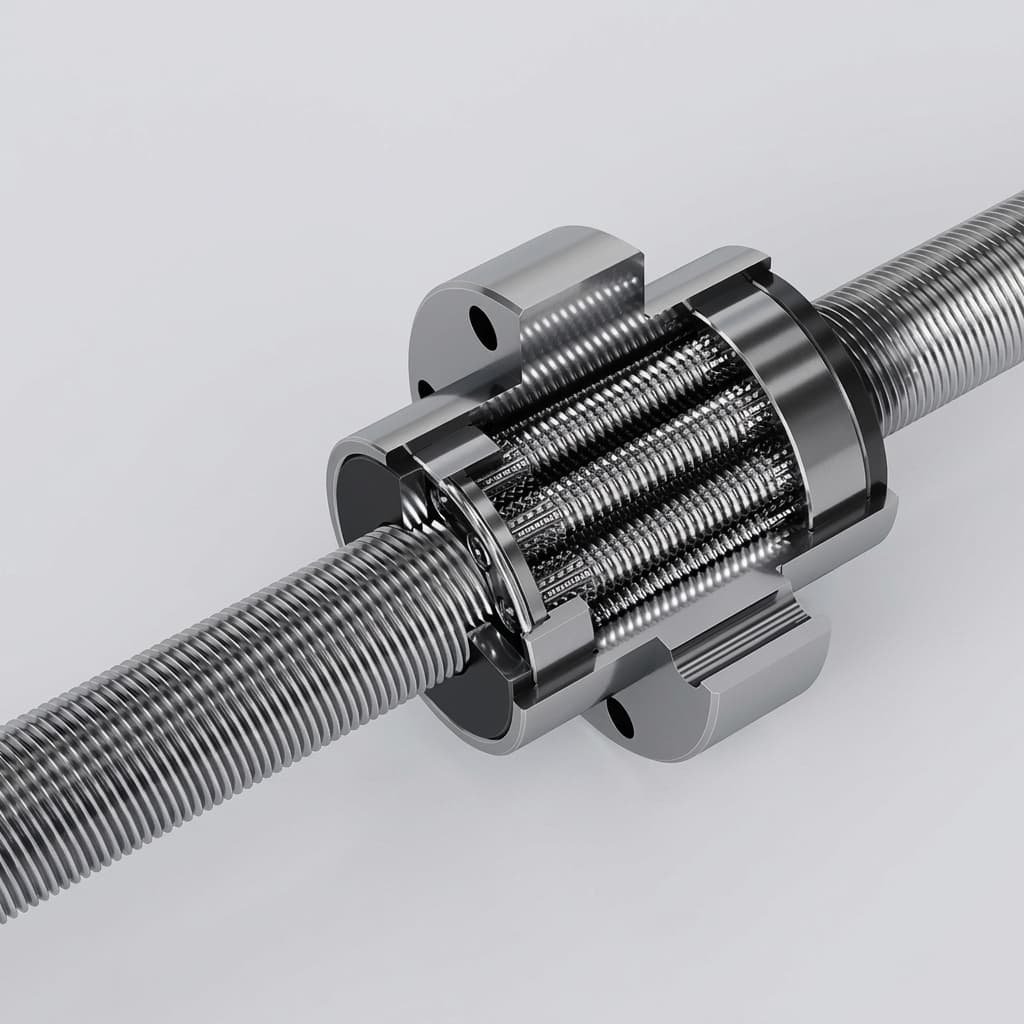
Specifying Roller Screw Actuators for Continuous Duty (S1) Applications: Thermal Management and Sizing Guide
Sizing roller screw actuators for S1 continuous duty: RMS force, thermal derating, cooling options, lubrication risks, and RFQ checks for engineers.
How to Prevent Premature Fatigue Failure in Roller Screw Actuators: An Engineering Guide
Learn why roller screw actuators fail prematurely, how spalling, brinelling, galling, misalignment, and lubrication gaps occur, and how to prevent them.
How to Specify Condition Monitoring and Predictive Maintenance (PdM) for Roller Screw Actuators
A comprehensive guide for procurement and engineering teams on specifying temperature, vibration, and force sensors for predictive maintenance in roller screw actuators.